
Choosing the right system is not just about buying a brand. It is about getting the air conditioning installation Hills District right for the home, the climate, and the way people actually live day to day.
In Australia, that usually means balancing heat, humidity, bushfire smoke days, rising energy prices, and the fact that a lot of homes were not originally designed for modern cooling. The goal is comfort without a nasty energy bill or constant callbacks.
What does “right” look like for an air conditioning installation Hills District?
The right choice is the one that cools or heats the right spaces efficiently, quietly, and reliably. A good air conditioning installation Hills District also fits the building, the budget, and local conditions.
If it feels complicated, that is because it is a mix of building science and practical trade work. But the decision becomes simpler once they work through a few key questions.
Should they choose split, multi split, or ducted?
Most households end up choosing between split systems and ducted. A split system suits single rooms or open plan areas, while ducted suits whole home control.
Multi split can work when they want multiple indoor units with one outdoor unit. It can be tidy outside, but it is not always cheaper, and design matters a lot for performance.
How do they decide the correct size system?
Sizing should be based on a proper heat load assessment, not just floor area. The right capacity depends on insulation, ceiling height, window size, glazing, shading, and how the home is used.
An undersized unit runs flat out and never really catches up. An oversized unit cycles on and off, can feel clammy in humid areas like Brisbane, and may wear out sooner. “
Why is climate zone important in Australia?
Australia’s climates vary massively, and the same system behaves differently in Perth versus Hobart. Hot dry heat, tropical humidity, and cool winters all change what “efficient” means.
They should look at performance ratings that reflect both heating and cooling. A smart air conditioning installation Hills District choice considers how often they will heat as well, not just summer cooling.
Is reverse cycle the default choice now?
For many homes, yes. Reverse cycle is usually the most efficient way to heat and cool using electricity, especially compared with older electric resistance heaters.
That said, the “best” depends on the house. In colder areas like Canberra or the NSW Southern Tablelands, they should check low ambient heating performance so the unit still works well on frosty mornings.
What energy ratings and features actually matter?
Energy star ratings matter, but only when the system is sized and installed correctly. They should also pay attention to inverter technology, zoning (for ducted), and good controls.
WiFi apps are convenient, but sensors and zoning typically save more energy. A well planned air conditioning installation Hills District makes it easier to run only the areas they are using.
How does home layout change the recommended system?
Open plan living often suits one larger split system in the main zone, sometimes paired with smaller bedroom units. Long narrow homes can struggle if they rely on one unit at one end.
Two storey homes can need special planning because heat rises. For ducted, they should expect zoning by level at minimum, and duct design that does not starve upstairs rooms in summer.
What should they check about insulation, windows, and draughts first?
They should check them before committing to bigger capacity. Better insulation and window shading can reduce the size needed and improve comfort even without running the system hard.
Simple fixes like sealing obvious gaps and using blackout blinds can make a noticeable difference. It is often cheaper to improve the building than to overspend on air conditioning installation Hills District capacity.
Where should outdoor units be placed for best performance?
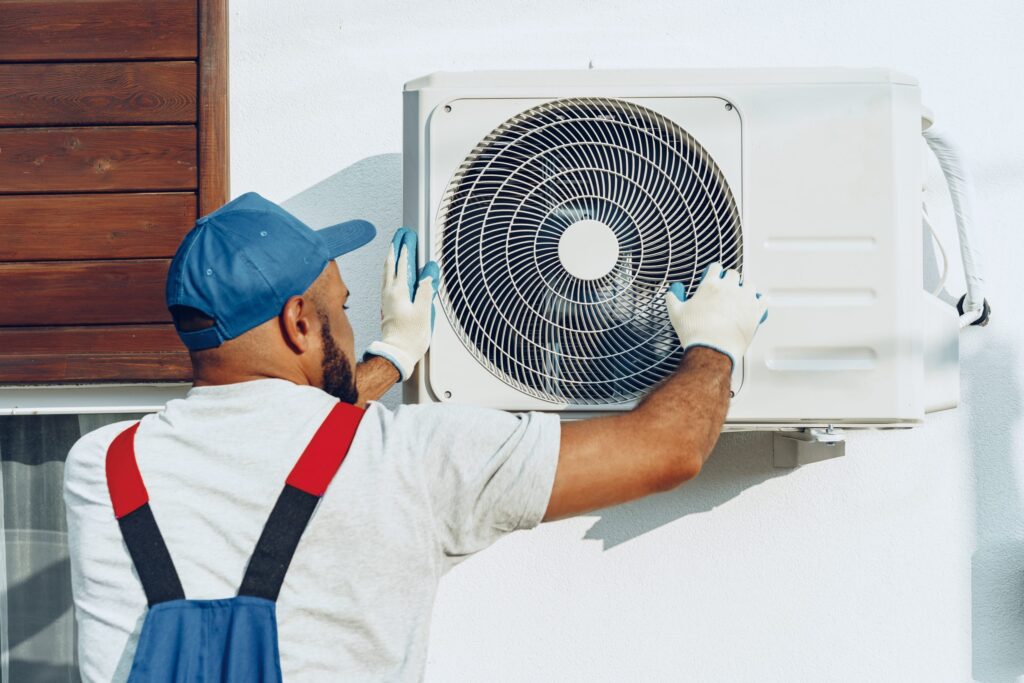
Outdoor units need airflow, shade where possible, and enough clearance for servicing. They should not be boxed into tiny side passages with no ventilation.
Noise matters too, especially in higher density suburbs. A considerate air conditioning installation positions the outdoor unit away from bedroom windows, neighbours’ fences, and echo-prone corners.
What indoor unit placement mistakes cause discomfort?
Placing an indoor head unit so it blows straight at the sofa or bed is a common regret. Putting it too close to corners can also affect airflow and temperature sensing.
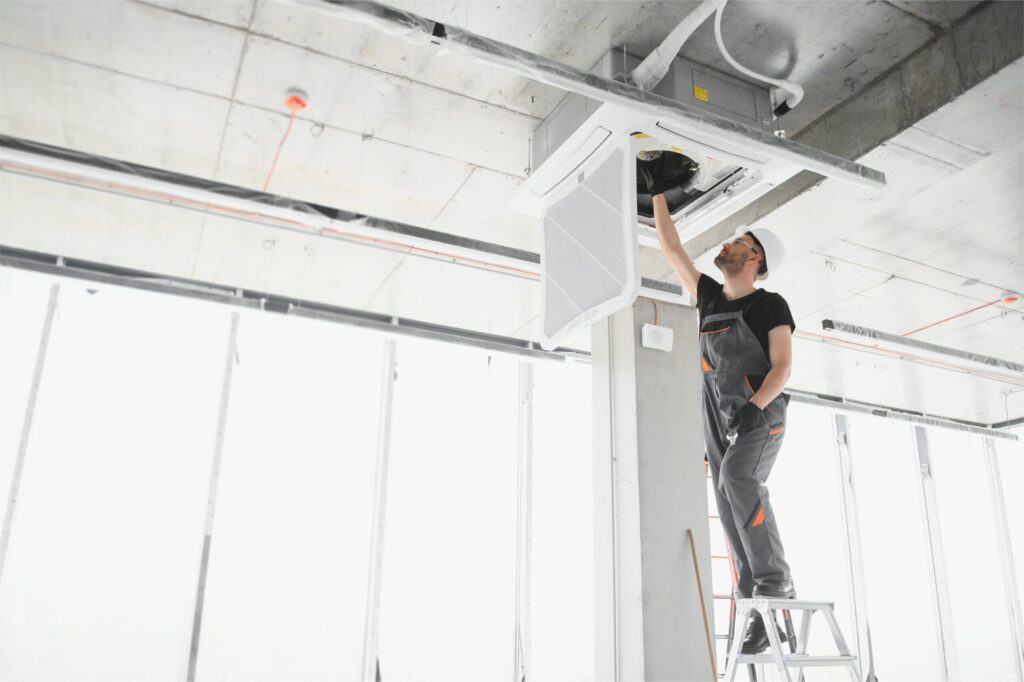
For ducted systems, poor grille placement can create draughts or dead zones. The best air conditioning installation plans airflow patterns, not just where the unit physically fits.
Should they prioritise zoning for ducted systems?
Yes, zoning is usually where ducted systems either shine or waste money. If they can shut off unused rooms, they can cut running costs and reduce noise.
They should ask how many zones are practical and whether the system includes a bypass strategy or pressure control. A sloppy zoning design can make the system louder and less efficient.
What is the difference between a good quote and a vague one?
A good quote includes sizing rationale, model numbers, warranty details, electrical scope, pipe run assumptions, and what is excluded. A vague quote is just a price and a promise.
They should also expect the installer to ask questions about the home. A quality air conditioning installation Hills District quote is specific because the work is specific.
How do they choose the right installer in Australia?
They should look for ARCtick refrigerant handling licensing and relevant electrical licensing for the electrical work. They should also check reviews that mention aftercare, not just speed.
Experience with the home type matters, especially for older weatherboard houses, flats, or heritage style builds. A careful air conditioning installation Hills District depends as much on the installer as on the equipment.
What standards and compliance issues should they be aware of?
They should expect compliance with Australian Standards for refrigeration piping, electrical safety, and drainage. In strata or flats, approvals for outdoor unit placement and penetrations may be required.
They should ask how condensate will drain, where pipework will run, and how wall penetrations are sealed. A compliant air conditioning installation Hills District avoids water damage and future disputes.
How much should they budget for an air conditioning installation Hills District today?
Costs vary by location, access, and system type, so it is safer to think in ranges. Split systems are generally the most affordable, while ducted is a bigger commitment due to ductwork and zoning.
They should budget for electrical upgrades if the switchboard is old or circuits are limited. A realistic budget also includes maintenance because air conditioning installation Hills District is not the last step.
When is it worth upgrading electrical or going solar aware?
If they are adding ducted systems or multiple splits, electrical capacity can become the bottleneck. Upgrading may improve safety and prevent nuisance tripping.
If the home has solar, they can run cooling during the day at lower cost. Some households also plan their air conditioning installation Hills District around future battery storage, but even without batteries, solar can help.
What maintenance expectations should they plan for?
They should plan to clean filters regularly and keep outdoor coils clear of leaves and dust. In many Australian areas, summer storms and pollen can clog things faster than expected.
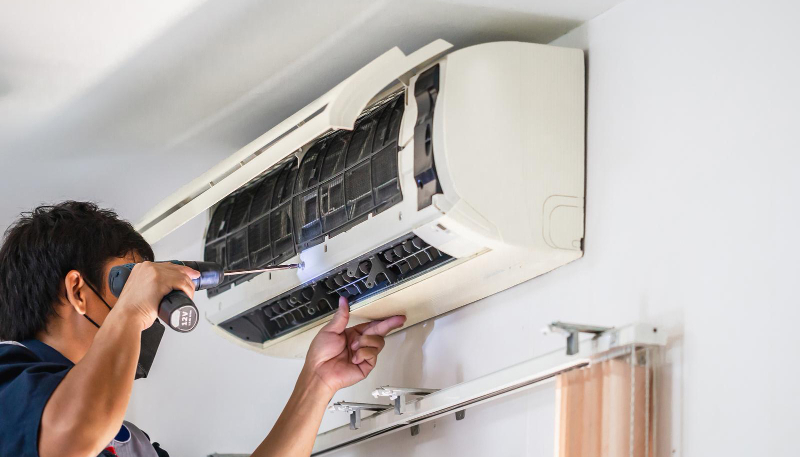
Professional servicing every year or two can catch refrigerant leaks, drainage problems, and airflow issues. Good maintenance keeps the air conditioning installation performing like it did in the first summer.
What questions should they ask before signing off?
They should ask for the sizing basis, where piping and cabling will run, and how condensate will drain. They should ask what happens if it is noisy, underperforms, or needs a return visit.
They should also confirm warranty terms and who handles claims. A trustworthy installer will answer plainly, because a solid air conditioning installation Hills District is meant to last for years.
A quick way to decide without overthinking it
If they want a simple approach, they should match the system to the zones they actually use, insist on proper sizing, and choose an installer who explains the plan clearly. That combination usually beats chasing the cheapest price or the biggest unit.
Done properly, an air conditioning installation Hills District is one of those upgrades that quietly improves everyday life. Hot nights, cold mornings, smoke season. It all becomes more manageable.
FAQs (Frequently Asked Questions)
What factors determine the ‘right’ air conditioning installation for a home in Australia?
The right air conditioning installation balances the home’s design, local climate conditions such as heat, humidity, and bushfire smoke days, and how people live daily. It ensures efficient, quiet, and reliable cooling or heating tailored to the building, budget, and local environment to provide comfort without high energy bills or frequent maintenance.
How do I decide between split, multi-split, or ducted air conditioning systems?
Split systems are ideal for single rooms or open plan areas, while ducted systems suit whole-home control. Multi-split systems allow multiple indoor units connected to one outdoor unit but may not always be cheaper. The choice depends on your home’s layout, performance needs, and design considerations.
Why is proper sizing important for air conditioning units and how is it determined?
Correct sizing is crucial to avoid inefficiency; undersized units run constantly without catching up, while oversized units cycle frequently causing discomfort and wear. Sizing should be based on a heat load assessment considering insulation, ceiling height, window size and shading, glazing, and home usage rather than floor area alone.
How does Australia’s climate zone affect air conditioning system performance?
Australia’s diverse climates—from hot dry heat to tropical humidity and cool winters—impact what efficiency means for a system. Systems perform differently in places like Perth versus Hobart. It’s important to consider both heating and cooling performance ratings suited to your specific climate zone for optimal efficiency.
What energy ratings and features should I look for when choosing an air conditioning system?
Look beyond just Energy Star ratings; ensure the system is correctly sized and installed. Features like inverter technology, zoning capabilities (especially for ducted systems), and good controls enhance efficiency. Sensors and zoning often save more energy than convenience features like WiFi apps by allowing selective area usage.
What should I check about my home before installing an air conditioning system?
Before installation, assess insulation quality, window shading, and draughts. Improving these can reduce the required system size and increase comfort without overworking the unit. Simple measures like sealing gaps and using blackout blinds can significantly improve energy efficiency and reduce costs compared to oversizing your air conditioner.