
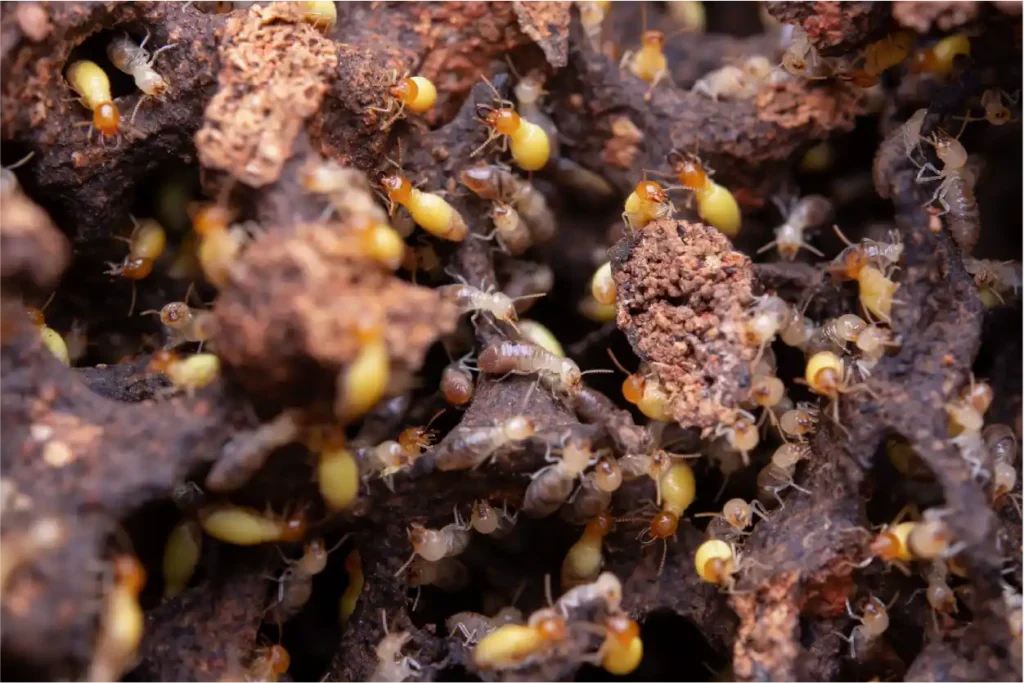
What is termite control in Sydney?
Termite control in Sydney is the active response when termites are suspected or confirmed. It focuses on stopping an existing infestation, limiting immediate damage, and eliminating the colony or its access to the structure.
They usually begin with an inspection, then apply a targeted treatment such as a baiting program or a chemical barrier. Control work is reactive by nature because it starts after termites are already present.
What is termite prevention in Sydney?
Termite control Sydney refers to the set of measures used to reduce the chance of termites ever entering a property. It aims to make the home less attractive to termites and harder for them to access.
As part of termite control Sydney, professionals might install or maintain a protective barrier, set up monitoring stations, and recommend building or landscaping changes. Prevention is proactive because it is designed to avoid an infestation before damage starts
Why do termite control and prevention get confused?
They are often bundled together because many treatments do both, just on different timelines. A baiting system, for example, can control an active issue and then continue as ongoing monitoring.
Another reason is marketing language. Some providers call nearly any termite service “prevention,” even when it is primarily a response to detected activity.
When is termite control needed instead of prevention?
Termite control is needed when there are clear signs of activity such as mud leads, hollow-sounding timber, damaged skirting, or live termites found during an inspection. At that point, “prevention only” is not enough because the priority is to stop further structural impact.
They typically treat the infestation first, then shift the plan into a longer-term prevention setup once risk is stabilised.
What methods are common for termite control in Sydney?
Termite control commonly involves baiting, chemical soil treatments, or a combination depending on construction type and access. The chosen method usually reflects whether they can reach the nest, how termites are entering, and how the clicsite drains.
Baiting targets colony reduction over time, while chemical treatments are often used to cut off entry points quickly. In many homes, an integrated approach is used for both immediate control and longer-term risk reduction.
What methods are common for termite prevention in Sydney?
Prevention usually involves ongoing inspections, maintaining a chemical or physical barrier, and reducing conditions that attract termites. That includes fixing leaks, improving subfloor ventilation, keeping weep holes clear, and separating timber from soil.
They may also use monitoring stations to detect early movement before damage becomes visible. Prevention tends to be a system, not a one-off product.
Other Resources : Manage and dispose of treated timber
How do costs usually differ between control and prevention?
Control typically costs more upfront because it involves urgent diagnosis, active treatment, and sometimes follow-up visits to confirm success. The cost can rise if damage is extensive or access is difficult.
Prevention is often lower and more predictable because it is scheduled and focused on maintenance and monitoring. Over time, prevention can reduce the chance of paying for major control work and repairs.
How long do termite control and prevention take?
Control timelines vary because some methods work quickly while others are designed to eliminate colonies gradually. A chemical barrier can create immediate protection, while baiting programs may take weeks or months to suppress a colony.
Prevention is ongoing by design. They typically revisit for inspections, check monitoring stations, and maintain barriers so protection stays effective as the property and environment change.
What should Sydney property owners choose if they want the lowest risk?
They usually need both: control if termites are present, and prevention to keep the home protected after treatment. Choosing only one often creates gaps, either leaving an active issue untreated or allowing future entry.
The lowest-risk approach is a professional inspection, a clear treatment plan if activity is found, and a prevention schedule that includes regular checks and risk-reduction steps. Learn more about how to choose reliable pest control services in Dural for your home.
What questions should they ask a termite professional in Sydney?
They should ask whether termites are active, how the diagnosis was confirmed, and which entry points are likely. It also helps to ask what method is recommended and why it suits the property’s construction.
They should also ask what follow-up looks like, what ongoing prevention is included, and what maintenance the owner must do to keep the system effective. The clearer the plan, the easier it is to judge whether it is true control, true prevention, or both.
FAQs (Frequently Asked Questions)
What is termite control in Sydney and how does it work?
Termite control in Sydney is the active response when termites are suspected or confirmed. It involves stopping an existing infestation, limiting immediate damage, and eliminating the colony or its access to the structure. The process usually begins with a thorough inspection, followed by targeted treatments such as baiting programs or chemical barriers. Control measures are reactive and start after termites are already present.
How does termite prevention in Sydney differ from termite control?
Termite prevention in Sydney consists of proactive measures aimed at reducing the chance of termites entering a property. It focuses on making homes less attractive and harder for termites to access by installing protective barriers, setting up monitoring stations, and recommending building or landscaping changes. Unlike control, prevention is designed to avoid infestations before any damage occurs.
Why are termite control and prevention often confused in Sydney?
Termite control and prevention often get confused because many treatment methods serve both purposes but at different stages. For instance, baiting systems can address current infestations and also act as ongoing monitoring tools. Additionally, marketing language sometimes labels almost any termite service as ‘prevention,’ even when it’s primarily reactive treatment to detected activity.
When should Sydney homeowners opt for termite control instead of just prevention?
Termite control is necessary when there are clear signs of termite activity such as mud leads, hollow-sounding timber, damaged skirting boards, or live termites found during inspections. At this stage, prevention alone is insufficient because immediate action is required to stop further structural damage. Typically, treatment targets the infestation first before transitioning into a long-term prevention strategy.
What common methods are used for termite control and prevention in Sydney homes?
For termite control, common methods include baiting programs that reduce colonies over time and chemical soil treatments that quickly cut off entry points. Often an integrated approach combines both for effective results. Prevention methods involve ongoing inspections, maintaining chemical or physical barriers, fixing leaks, improving ventilation, clearing weep holes, separating timber from soil, and using monitoring stations to detect early termite movement before visible damage.
How do costs and timelines compare between termite control and prevention services in Sydney?
Termite control usually incurs higher upfront costs due to urgent diagnosis, active treatments, and possible follow-up visits—costs can increase if damage is extensive or access is difficult. Control timelines vary; chemical barriers offer immediate protection while baiting may take weeks or months to suppress colonies. Prevention tends to be more affordable and predictable as it involves scheduled maintenance and monitoring over time to sustain protection against future infestations.