
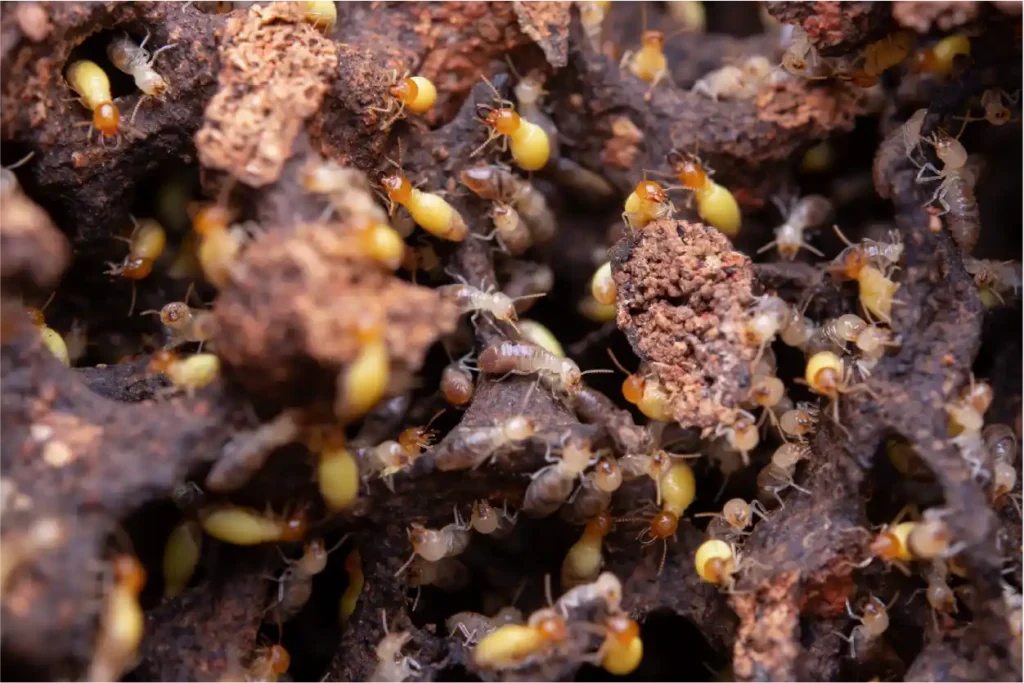
Why Is Termite Treatment Crucial for Homes in Sydney?
Termites cost Australian property owners millions each year, and Sydney homes are no exception. This revisited guide explains what termite treatment Sydney looks like in practice, how locals can reduce risk, and what to expect from a professional service.
They do not need to panic, but they do need a plan. Termites can stay hidden for months, so early action is what protects the structure and the budget.
What makes termites such a common problem in Sydney homes?
Sydney’s mix of warm weather, coastal humidity, and leafy suburbs creates ideal termite conditions. Many homes also have timber elements, garden beds, and moisture-prone areas that attract termites.
They are often surprised by how close colonies can be, even in well-kept neighbourhoods. In NSW, the most common concern is subterranean termites that travel underground and enter through tiny gaps.
How can they tell if termites are active right now?
The clearest signs are mud leads on walls, soft or hollow-sounding timber, and tight doors or windows that suddenly stick. They may also notice discarded wings near lights or window sills after warm evenings.
However, termites are experts at staying out of sight. That is why a professional inspection matters when any warning sign appears, or when a property is due for a routine check.
Why is DIY termite control usually a bad idea?
DIY sprays and baits can kill a few visible termites, but they rarely touch the main colony. Worse, partial treatment can cause termites to shift deeper into the home and continue feeding elsewhere.
They also risk missing the real entry point, which is often underground or behind walls. For reliable outcomes, termite treatment Sydney should be planned and applied by licensed technicians who can treat the colony, not just the symptoms.
What does a professional termite inspection in Sydney involve?
A proper inspection includes checking subfloors, roof voids, garages, fences, and external timber structures. Technicians also look for moisture issues, drainage problems, and any timber-to-ground contact that creates hidden access.
They should expect a written report that explains risk areas and clear next steps. This inspection is usually the foundation for choosing the right termite treatment Sydney option.
Which termite treatment options are most effective in Sydney?
The best method depends on the home’s construction, the termite species, and where activity is found. In most Sydney cases, professionals use a mix of barrier protection and colony management.
They may be offered a soil chemical barrier, a baiting programme, a dusting treatment for active galleries, or a combination. A reputable provider will explain why a particular termite treatment Sydney approach fits that property.
How do chemical barriers work, and when are they the right choice?
Chemical barriers are installed in soil around and sometimes under the home to block termites from entering. In Sydney, they are common for standalone houses, particularly where access around the perimeter is practical.
They work best when installed correctly and supported by good drainage. If the property has high moisture or bridging points, the barrier may be compromised, so technicians will usually address those risks alongside the termite treatment Sydney plan.
What is termite baiting, and who should consider it?
Baiting uses stations placed in the ground to intercept termites and gradually eliminate the colony. It can suit homes where a full barrier is difficult, such as properties with complex paving, limited access, or certain slab designs.
They should understand that baiting is a monitoring programme, not a one-off product. When done properly, termite treatment Sydney baiting can be highly effective, but it relies on follow-up visits and ongoing checks.
How quickly should they act once termites are suspected?
They should act immediately, even if the signs seem minor. Termites can cause substantial structural damage without obvious surface evidence, especially in wall frames, flooring supports, and roof timbers.
Waiting to “see if it gets worse” is usually what makes repairs expensive. Booking an inspection quickly is often the most cost-effective first step towards termite treatment Sydney that actually stops the damage.match your property’s unique vulnerabilities and infestation characteristics, providing you with targeted solutions rather than generic approaches.
How can they reduce termite risk around the home before treatment?
They can lower risk by fixing leaks, improving subfloor ventilation, and keeping weep holes clear. Garden beds should sit below the slab edge, and timber should not touch soil, including decking supports and stored firewood.
They can also keep mulch and dense plants away from the house line. These steps do not replace termite treatment Sydney, but they make professional protection more reliable and longer lasting.
What should they expect to pay for termite treatment in Sydney?
Pricing depends on the size of the home, access, the method used, and how severe the activity is. Barriers, baiting programmes, and localised treatments all price differently, and follow-up visits may be included or separate.
They should be wary of quotes that sound too good to be true, especially if no inspection is offered. The value of termite treatment Sydney is in correct diagnosis, proper application, and clear documentation.
How do they choose a trustworthy termite professional in NSW?
They should look for licensing, clear reporting, and a detailed scope of work. A good provider explains risks, options, and expected outcomes in plain language, without pushing a single method for every house.
They can also check whether the business offers warranties or service guarantees and what conditions apply. Most importantly, the provider should tailor the termite treatment Sydney plan to the property, not to a generic template.

How often should Sydney homes be inspected after treatment?
Many Sydney homes benefit from annual inspections, though higher-risk areas may need more frequent checks. Properties near bushland, with older timber features, or with past termite history often require closer monitoring.
They should treat inspections as ongoing maintenance, like gutters or smoke alarms. Even after termite treatment Sydney, inspections are what confirm protection is still intact and conditions have not changed.
What does “effective solutions to protect” really mean long term?
It means combining treatment with prevention and monitoring, not relying on a single visit. The most successful outcomes come from treating active termites properly, removing conditions that attract them, and keeping watch.
They should aim for a system that is practical to maintain in Sydney’s climate. When done well, termite treatment Sydney becomes part of a long-term protection strategy that safeguards the home and avoids nasty surprises.
Related : Termite Inspection Sydney: What to Expect and Why It’s Important