
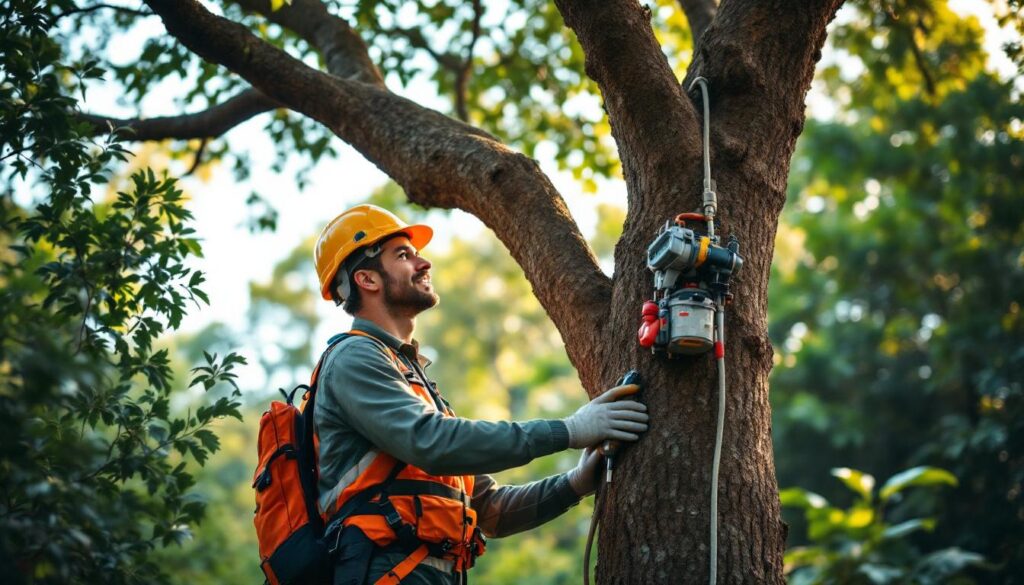
When Should You Call an Arborist in Thornleigh?
Timely professional tree assessment in Thornleigh can prevent property damage, injuries, and costly emergency removals. Trees displaying warning signs need expert evaluation before they become hazardous to your family or neighbours.
Many Homeowners often delay calling specialists until a crisis occurs. Recognizing early indicators of tree problems allows arborists to implement preventative measures rather than emergency interventions. Professional tree services Thornleigh can identify issues invisible to untrained eyes, from internal decay to pest infestations that threaten tree stability.
Understanding when to call an arborist Thornleigh protects both your investment and your safety. This guide explores five critical red flags:
- Hollow or decayed tree trunks
- Damaged or dead branches
- Leaning trees with structural issues
- Root system damage
- Pest infestations and diseases
Each warning sign requires different expertise and intervention strategies. Spotting these indicators early can mean the difference between simple maintenance and complete tree removal—another reason many homeowners rely on trusted tree services Thornleigh for timely assessments and solutions.
1. What Are the Signs of Hollow or Decayed Trees?
Hollow trees in Thornleigh pose serious safety risks because the structural integrity has been compromised from the inside out. You can identify hollow sections by tapping the trunk with a rubber mallet—a hollow sound indicates internal cavities that weaken the tree’s ability to support its own weight.
Visible signs of tree decay
Look for these signs on the outside of the tree:
- Soft, spongy bark that yields under gentle pressure
- Discolored patches ranging from dark brown to black
- Rotting spots that emit a musty or sour odor
- Cracks or splits in the trunk that expose inner wood
- Missing bark sections revealing deteriorated wood beneath
Fungal growth as an indicator
The presence of fungus on trees serves as a critical warning signal. Mushrooms, conks, or bracket fungi growing on the trunk or at the base indicate advanced internal decay. These organisms feed on dead or dying wood tissue, meaning the damage extends far beyond what you can see externally.
Silent progression of decay
Tree decay progresses silently, eating away at the core structural elements that keep the tree upright. A tree may appear healthy from the outside while being dangerously unstable inside. Wind, storms, or even the tree’s own weight can cause sudden failure without warning.
Increased risks in proximity to human activity
The risks escalate when hollow or decayed trees stand near homes, driveways, power lines, or high-traffic areas. A falling tree or large branch can cause catastrophic property damage, serious injuries, or fatalities. Structurally compromised trees require professional assessment to determine whether they can be saved through treatment or need removal to protect your property and loved ones.
2. When Should Damaged or Dead Branches Prompt a Call to an Arborist?
Dead branches residents should never ignore include those that have lost their bark, appear brittle, or show no signs of leaf growth during growing season. Broken tree limbs hanging precariously from the canopy create immediate danger to anyone walking beneath them, while branches that crack or sway unnaturally in light winds signal structural compromise.
Hazardous tree branches often display telltale warning signs before they fail. Look for:
- Branches with peeling or missing bark exposing dry, discolored wood underneath
- Limbs showing unusual discoloration or black streaks indicating disease
- Cracks or splits where branches connect to the trunk
- Branches rubbing against power lines or extending over structures
Disease manifests differently across various branch types. Cankers appear as sunken, dead areas on bark surfaces, while powdery mildew creates white coating on leaves and stems. Wilting leaves on individual branches when other parts of the tree remain healthy suggest localized infection requiring immediate attention.
The weight of a single large branch can exceed several hundred kilograms. When structural integrity weakens through decay or damage, these limbs become projectiles during storms. A falling branch can puncture roofs, crush vehicles, or cause serious injury to people and pets below.
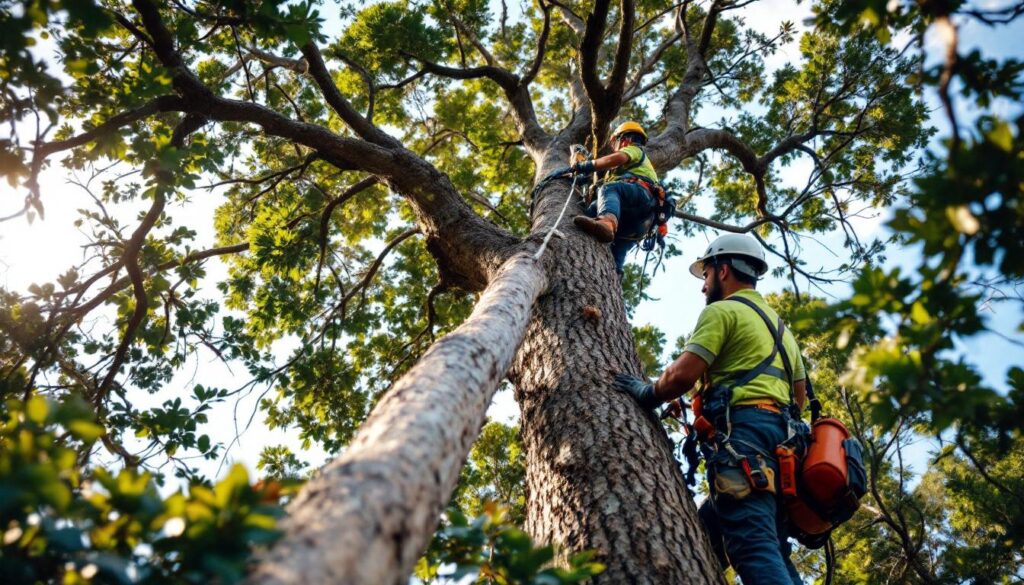
Professional arborists use specialized equipment to safely assess branches at height, identifying problems invisible from ground level. They evaluate the extent of damage, determine whether selective pruning can save the tree, and execute removal with precision that protects surrounding property. Attempting DIY removal of dead branches homeowners might consider “simple” often leads to accidents, as hidden decay makes branches behave unpredictably during cutting.
3. How Can You Tell If a Leaning Tree Needs Professional Attention?
A tree that suddenly develops a noticeable lean or increases its existing tilt requires immediate arborist evaluation. Leaning trees Thornleigh residents should watch for include those tilting more than 15 degrees from vertical or showing rapid changes in their angle over days or weeks.
The degree of lean matters significantly. A tree that has grown at a slight angle since youth may have adapted its structure accordingly, but sudden leaning indicates serious problems. Check the soil around the base—raised soil on one side or exposed roots on the opposite side signal unstable trees with failing anchor systems.
What Causes Trees to Lean Dangerously?
Tree root problems represent the most common culprit behind hazardous leaning. Root decay from fungal infections, severed roots from construction activities, or waterlogged soil weakening the root plate all compromise stability. Structural faults like internal decay, storm damage, or uneven weight distribution from poor pruning also create dangerous leans.
Soil conditions play a critical role. Clay soils in Thornleigh can become saturated during heavy rain, reducing root grip and allowing trees to shift. Wind events combined with saturated ground create perfect conditions for tree failure.
What Happens If You Ignore a Leaning Tree?
Unattended leaning trees pose catastrophic risks. A falling tree can crush vehicles, damage homes, destroy fences, or injure people. The liability extends beyond your property—if your leaning tree falls onto a neighbour’s property or public space, you may face legal consequences.
When Should You Call an Arborist Thornleigh? 5 Red Flags to Watch For includes any tree showing progressive lean, especially after storms or ground disturbance. Professional assessment determines whether the tree can be stabilized through cabling, bracing, or requires removal.
4. What Are the Warning Signs of Root Damage That Require an Arborist?
As a Thornleigh resident, it’s important to be aware of the warning signs of root damage that may require the expertise of an arborist. Here are some key indicators to watch out for:
Exposed Tree Roots
One of the most visible signs of root damage is when tree roots become exposed and break through the soil surface. This often occurs after construction or landscaping work has been done in the area. If you notice any exposed roots, it’s crucial to investigate further as this may indicate deeper problems below ground that could potentially harm the entire tree system.
Effects of Construction and Landscaping Activities
Construction and landscaping activities can have a significant impact on tree roots, even if the work is being carried out several meters away from the trunk. Activities such as excavation, soil compaction from heavy machinery, and changes in ground level can disrupt the delicate network of roots. If you observe any sudden appearance of exposed tree roots following such projects, it could be a sign of substantial disturbance that requires professional assessment.
Symptoms of Damaged Roots
Damaged roots can directly affect the stability of a tree since these underground structures are responsible for anchoring the entire plant. Keep an eye out for these symptoms which may indicate compromised root systems:
- Wilting or yellowing leaves despite sufficient rainfall
- Premature leaf drop during the growing season
- Reduced density in the canopy or stunted new growth
- Noticeable leaning developing over weeks or months
- Cracks forming in the soil around the base of the tree
Warning Signs Related to Structures
Another critical warning sign to be aware of is when tree roots begin to impact nearby structures. Roots naturally seek moisture and nutrients, which means they can infiltrate foundations, crack driveways, and damage underground pipes. If you come across any of these situations:
- Buckling pavement near trees
- Cracks in building foundations
- Blocked or damaged sewer lines
- Raised concrete slabs
It’s essential to take immediate action by contacting an arborist. The relationship between roots and structures is complex—buildings can also cause harm to roots through their presence while aggressive roots have the potential to undermine structural integrity. An experienced arborist will assess whether root pruning, barrier installation, or even tree removal is necessary to address each specific situation while ensuring safety standards are upheld.
5. When Should Pest Infestations and Tree Diseases Trigger a Professional Call?
Pest infestation Thornleigh residents should watch for includes visible insects, unusual holes in bark, or sawdust-like material around the tree base. These symptoms signal active infestations requiring immediate attention to prevent tree death and spread to neighboring vegetation.
Local Thornleigh trees commonly face threats from:
- Borers – leaving small holes and weakened branches
- Scale insects – appearing as small bumps on leaves and stems
- Psyllids – causing leaf curling and honeydew secretion
- Termites – creating hollow sections and structural instability
To effectively manage these issues, it’s essential to know how to check for tree pests. This guide provides valuable insights into identifying potential pest problems early.
Tree diseases identification becomes critical when you notice discolored leaves, premature leaf drop, or unusual growths on bark. Fungal infections often manifest as powdery substances, black spots, or cankers that ooze sap. Root rot diseases may show no visible symptoms above ground until the tree suddenly declines or falls.
Early detection makes the difference between saving a tree and complete removal. Diseases like Myrtle Rust and Phytophthora spread rapidly through gardens, threatening entire landscapes if left untreated.
Arborist pest treatment involves specialized diagnostic tools and targeted solutions unavailable to homeowners. Professional arborists identify the specific pest or pathogen, assess infection severity, and implement treatment protocols that comply with environmental regulations. They apply systemic treatments, soil injections, or trunk applications that address the problem at its source.
Attempting DIY pest control often worsens the situation. Incorrect product selection, improper application timing, or inadequate coverage allows infestations to intensify. Arborists monitor treatment effectiveness through follow-up visits, adjusting strategies as needed to ensure complete eradication and prevent reinfestation across your property.
Why Is It Important to Consult an Arborist in Thornleigh Instead of DIY Methods?
1. Can DIY tree care match the expertise of certified professionals?
Professional arborist benefits Thornleigh residents receive far exceed what home remedies can achieve. Certified arborists bring specialized training in tree biology, pathology, and structural assessment that enables accurate diagnosis of complex issues. They use industry-standard methodologies like resistograph testing for internal decay detection and sonic tomography for structural analysis—tools unavailable to typical homeowners.
2. What legal requirements make professional consultation necessary?
Thornleigh falls under Hornsby Shire Council jurisdiction, which mandates permits for specific tree work. A certified arborist consultation ensures compliance with local regulations, preventing potential fines ranging from $1,100 to $110,000 for unauthorized tree removal. Arborists understand which trees have preservation orders and can navigate the Development Application process when required.
3. How does professional care protect your investment?
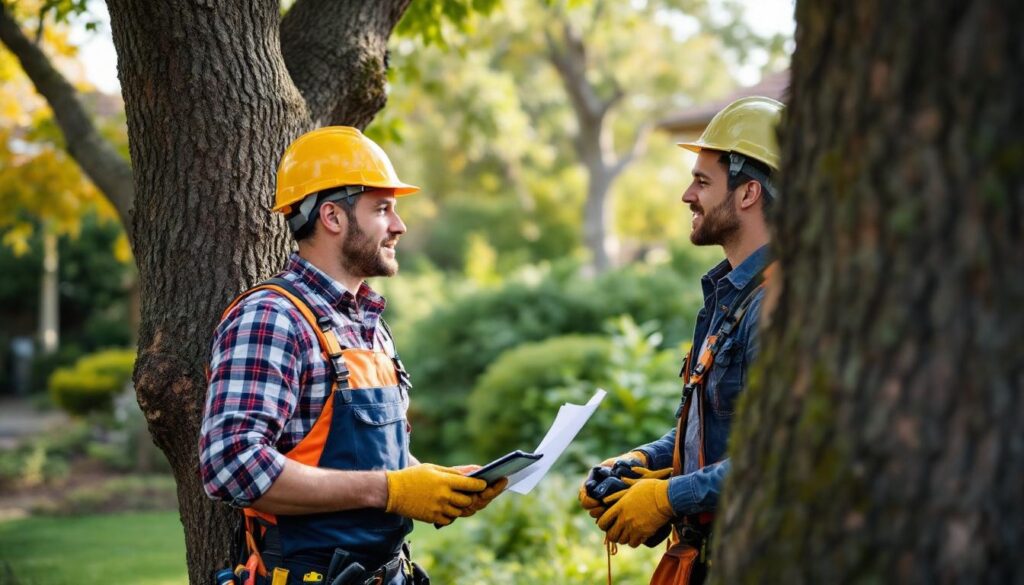
Safe tree removal Thornleigh services prevent property damage and personal injury through proper risk assessment and equipment use. Arborists carry public liability insurance, protecting homeowners from financial exposure during tree work. Their interventions extend tree lifespan through proper pruning techniques that promote healthy growth patterns rather than creating entry points for disease. When Should You Call an Arborist Thornleigh? 5 Red Flags to Watch For becomes less about emergency response and more about preventative care when professionals handle regular maintenance.
Conclusion
Knowing when to hire arborist Thornleigh services can make a huge difference in preventing disasters and avoiding expensive damage. The five warning signs we discussed—hollow or decayed trees, damaged branches, leaning trunks, root damage, and pest infestations—require immediate professional attention.
When Should You Call an Arborist Thornleigh? 5 Red Flags to Watch For is your go-to resource for keeping both people and property safe. Delaying action turns manageable tree problems into emergencies. Instead of waiting for issues to fix themselves, schedule an arborist inspection at the first sign of trouble. Remember, the safety of your trees, home, and family relies on quick and knowledgeable decisions made with the help of certified experts.